
Articles
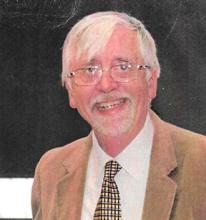
CSA Member Pushes for Justice
One of our members, Peter Holleley, was in a serious human rights dispute with the Landlord Tenants Board (LTB) which he then escalated to the Human Rights Tribunal of Ontario (HRTO).
Lisa Wilder — — Personal Commentary
Newsletter Back Issues
Every month CSA sends an e-Newsletter to our members with links to our new web site information and stories and other web pages relating to stuttering news and the community.
Lisa Wilder — — Personal Commentary
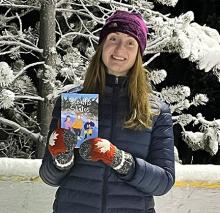
Scholar who Stutters Writes Young Adult Novel
Tess Casher is a young Canadian Rhodes Scholar who moved to England last year to attend Oxford University.
Lisa Wilder — — Book Reviews

A Magic Moment
Don McLean — — Personal Stories

The Genetics of Stuttering
The research web site Pursuit, run by the University of Melbourne, has published an article about the genetics of stuttering.
Lisa Wilder — — Research
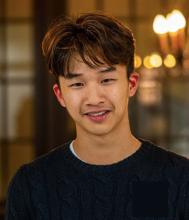
Finding Acceptance and Purpose with the CSA
My name is David Liu, and I’m joining the Board of Directors as the Conference and Event Planning Coordinator. Once I learn the ropes, I’ll be leading the planning and execution of the CSA’s Let’s Talk Events and annual conferences.
David Liu — — Personal Stories

Late Onset Stuttering: Research Questionnaire
This study, by Alhanoof Sahrah, a speech-language pathologist and a doctoral student at the University of Reading, aims to gather crucial information about Late-Onset Stuttering (LOS) through an online questionnaire.
— — Research

Making Change: My Story and the CSA Conference
I am a person who stutters, and I’ve stuttered since I could first speak. When I was much younger, I was hardly even aware I had a speech disability. My parents assumed my difficulty speaking was just a phase I would grow out of, and I didn’t really think about my stutter at all.
Rhea Bhalla — — Personal Stories

CSA Conference 2023 Success!
There were many highlights of our CSA 2023 Conference at the beautiful Lord Elgin Hotel in downtown Ottawa!
Eeva Stierwalt — — Personal Commentary
The Day I was Finally Heard: 52 years Later
On Saturday night November 4 2023, the Banquet Dinner of the Canadian Stuttering Association took place.
Don McLean — — Personal Commentary